Grass-Fed and Finished Beef In The Winter


Grass-Fed and Finished Beef Year Round
Our cattle are raised on a 100% grass-fed diet all year long, no exceptions. During the spring, summer, and fall, the cattle are moved daily onto fresh pasture. When winter arrives and the snow has accumulated enough to make grazing no longer possible, we transition the herd to a large winter pasture where they continue to be fed high-quality organic hay. At no point are our cattle placed in a feedlot or fed any grain.
Grass, hay, and forage are the natural and biologically appropriate diet for cattle. As ruminant animals, cattle are uniquely designed to digest fibrous plant material through a complex, multi-chambered stomach that efficiently converts grasses into energy. When cattle eat the diet they are meant to eat, their rumen function remains healthy, their immune systems are stronger, and overall stress is reduced. This natural diet also directly affects the quality of the beef. Grass-fed beef contains higher levels of beneficial omega-3 fatty acids, conjugated linoleic acid (CLA), vitamins, and antioxidants than grain-fed beef. Grass fed beef is healthier for the animal and creates more nutrient-dense meat.
Throughout the winter season, our cattle are fed organic hay grown and harvested from our own certified organic hay fields. These grasses are cut when at highest nutrition, naturally sun-dried, and rolled into large round bales. Before feeding, we put the bales through a bale processor that chops the hay into shorter stem lengths, making it easier for the cattle to eat and digest, this also reduces waste. The chopped hay is then placed into large bunk-style feeders.
We use bunk feeders during the winter to keep the hay clean, dry, and off the ground. To support pasture health, the feeders are moved weekly, encouraging an even spread of manure across the field. This manure naturally returns valuable nutrients to the soil, improving soil health and supporting strong grass growth in the spring and summer. The cattle have constant access to feed, allowing them to eat whenever they choose.
In addition to organic hay, the cattle receive organic alfalfa grass pellets and naturally sourced minerals. Alfalfa pellets are made from alfalfa harvested at peak nutritional value, then dried and pressed into pellet form to reduce dust and improve ease of handling. These pellets provide a concentrated source of energy and protein during the really cold winter days.
In the spring, we closely monitor pasture growth. Cattle are not returned to the summer pastures until the grass has grown enough to recover after being grazed. In the summer we use a rotational time-controlled grazing method that has us moving the cattle every day onto new pasture. Because growing conditions vary widely from year to year, the timing of when the cattle will start to eat the fresh grass and will not be fed anymore hay changes accordingly and is always guided by what is best for the land and the grass.
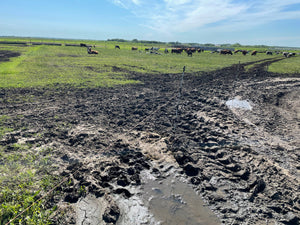
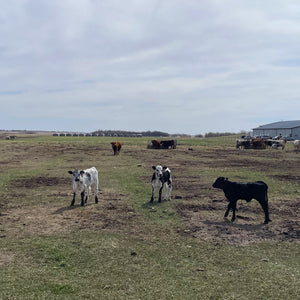
During winter, the cattle have access to approximately 30 acres of pasture, giving them plenty of room to move freely. Windbreaks provide shelter from harsh weather, and fresh water is supplied using frost-free pumps drawing from our dugouts. The cattle are also provided with generous amounts of certified organic straw bedding, keeping them dry, warm, and off the frozen ground when they rest.
We are proud to raise beef that is certified organic, certified humane, and truly 100% grass-fed for their entire life. Grass-fed beef is better for the cattle, better for the environment and the consumer
Your Farmers,
Ron and Sheila
- Sunworks Farm